

Players interested in dice games can explore craps gambling in New Zealand to learn about the basic rules, betting options, and common strategies. Understanding the odds and available game formats can help readers make more informed decisions.
Understanding the fundamentals is essential before playing any card game, and blackjack rules for New Zealand players provide a useful starting point. Learning how card values, dealer rules, and basic decisions work can make the game easier to follow.
Choosing an online platform requires attention to game variety, payment methods, and transparent terms. This guide to blackjack sites in New Zealand explores important features to consider when comparing platforms and reviewing blackjack odds.
Finding a suitable platform for dice games starts with understanding the available features and betting formats. Explore the best craps casinos in New Zealand to learn what to look for in game selection, platform security, and clearly explained terms.
Cryptocurrency users may be interested in platforms that support blockchain-based payments and digital assets. This overview of the best Ethereum casinos in New Zealand highlights factors such as transaction policies, supported currencies, and platform transparency.
Craps combines dice rolls with a variety of betting options and probability-based decisions. Learn more about the best craps options for New Zealand players to understand common wagers, payout structures, and the odds associated with different bets.
Welcome offers can vary considerably in value depending on their conditions and wagering requirements. This mathematical guide to first deposit bonus casinos in NZ explains how to compare promotional terms and assess the practical value of introductory offers.
Practising without risking real money can help beginners become familiar with card values and gameplay decisions. Discover free blackjack in New Zealand to learn about demo games, simulators, and ways to practise basic strategies in a no-stakes environment.
European roulette is known for its single-zero wheel, which affects the mathematical odds of many bets. This guide to European roulette in New Zealand covers the wheel layout, common wagers, payout rules, and key considerations when evaluating online games.
Blackjack players can choose between different table formats, rules, and playing environments. Learn more about blackjack tables in New Zealand to understand the differences between land-based and online games, including table limits and rule variations.
Making informed decisions in blackjack starts with understanding probabilities and the impact of each possible move. Explore blackjack strategies for New Zealand players to learn about basic strategy charts, hand decisions, and ways to understand the house edge.
Free spins promotions can offer an opportunity to try selected slot games under specific conditions. This overview of no-deposit free spins in NZ explains common eligibility rules, game restrictions, and wagering requirements to review before accepting an offer.
Demo games provide a way to explore casino-style entertainment without making an initial deposit. Discover free casinos in New Zealand to learn how no-deposit access and practice modes work, while checking the terms and limitations of each platform.
Roulette simulators allow players to become familiar with betting layouts and game mechanics without wagering real money. Explore free roulette play in New Zealand to understand demo modes, random number generation, and the mathematical probabilities behind common bets.
No-deposit promotions can differ in their eligibility criteria, available games, and withdrawal conditions. This guide to bonus free spins in New Zealand outlines the main features to compare when reviewing introductory offers, including expiry dates and wagering requirements.
Grass seeds in dogs
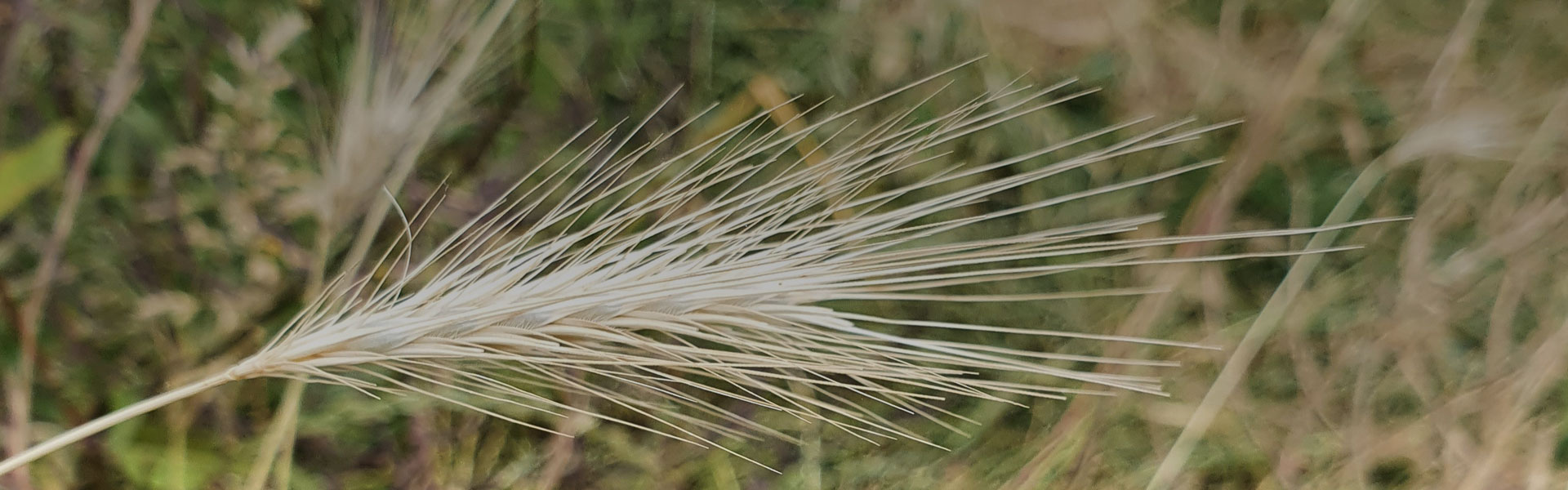
During the summer months grass seeds in dogs’ paws and ears are particularly problematic, especially the most well-known which is the Wall Barley (also known as false barley or sometimes called Foxtail), which you will see pushing up through cracks in pavements, against walls and amongst the long grasses along footpaths.
Wall Barley seeds are very sharp and barbed that look like the shape of a fox tail. It is when the Wall Barley starts drying out that it becomes brittle, and this is when it snaps off and attaches itself to a dog’s coat as they pass by. The seed will then pierce the skin or enter the ear canal and because it is barbed it can only travel in one direction. If it is in the ear canal the seed can perforate the tympanic membrane, more commonly known as the ear drum. If the seed enters between the toes, it can then travel anywhere around the body, they have been known to be removed from the shoulder blades, back or the foot, and the ribs. They really do migrate anywhere. Dogs can also get grass seeds in their eyes, which can cause problems such as scratches on the cornea.
Whilst it is virtually impossible to avoid the grass season if your dog loves to run off lead, it is important to check your dogs feet and ears after every walk. It is also very important to know the signs of embedded seeds and signs of grass seeds in the ear. You can buy snoods for dogs to cover their ears, although seeds can still get past the snoods, or Pet Hoodz which groomers use for dogs who don’t like the sound of the hair dryer, and these are also used on anxious dogs to help keep them calm. The other option for helping to prevent grass seeds from going into the ear is to keep the inside of the ear flap clipped really short as this means that the grass seed won’t be able to attach to anything and work its way into the ear.
So what are the symptoms?
The Ear:
Every dog is different and not all show the same symptoms. Generally, the symptoms of having grass seeds in the ear are:
- Vigorous head shaking
- Heal tilt
- Pawing at the head
- Sudden loss of balance and/or eyes flicking (this happens when the seed perforates the ear drum)
The Eye
- Rubbing of eye
- Red swollen eyes
- Excessive tear production
The Feet:
- Constant licking of the affected foot or toe
- Inflamed area where the dog has been licking
- Limping
- Red inflamed area on the affected toe
If you can see the seed and you can’t see the seed penetrating the skin then you can remove it yourself. We always strongly advise that if you can’t see the grass seed because it has penetrated the skin or you think there is one in your dog’s ear or eye then call your vet and book an appointment.
Your vet can use an instrument called an otoscope to look into the ear canal and remove the seed with forceps if this isn’t possible because your dog is very wriggly, they have a sore ear, there isn’t a good enough view of the seed, or there is the possibility that the seed has perforated the ear drum, then the vet will sedate your dog so they can have a better look.
If the grass seed has penetrated the skin then the vet will sedate your dog because it is painful to extract the seed and they are often located a good distance from the point of entry. Also, they don’t show up on X-rays because the grass seed is vegetation.
Long-eared dogs such as spaniels or curly-coated dogs such as poodles or poodle crosses are the most at risk during the seed season. Always check your dog over carefully after each walk so that you can spot any seeds that have lodged around the eyes, lips, paws, and ears. To minimise the seed season risk, ensure your dog’s coat is clipped short around the ears and feet. There are products that you can buy to help prevent grass seeds from becoming embedded. Companies like Ruffwear and Trixie make boots for dogs and these stay on well, the only thing with some is the grip on the bottom of the boot. If it is dry, then boots grip well, but if it has been raining, there is dew on the ground or the dog goes into the river then the boots don’t always grip as well, in the near future we are hoping to write reviews on boots, having road tested or should that be paw tested some ourselves. Also, it is important to remember that dogs sweat through their feet so it’s important not to keep the boots on for longer than necessary.
Whilst on the subject of grass seeds it is also worth remembering crop fields as a lot of footpaths run through the crops. On lead/off lead debate aside, barley spines are very sharp and snap off and get into the dogs coat, ears and potentially eyes. When dogs take off bouncing through wheat fields the ears of wheat can snap off and be inhaled by the dog, unseen by you. Once the wheat ear has been inhaled it can travel towards the lungs and cause severe problems. The signs of inhalation of wheat ears are coughing mucus and blood, if you see these symptoms contact your vet immediately.
This is a post from a friend of ours Ali Rees about their experience of their dog B inhaling a wheat ear:
“For those of you that remember, We nearly lost B a few years ago due to her ‘inhaling’ a wheat ear. Whilst walking on a footpath that runs through the wheat field she leapt off to the side and into the wheat, a simple inhale while she jumped. That’s all it took. We had the worst week of our lives, B initially coughing mucus and blood, finally after several days we got to Langford Vets Small Animal Referral Hospital in Bristol. We were warned that they could end up removing part of her lung. Luckily the specialist was able to remove what he described as the biggest object he’d ever removed from a dogs lungs, a whole wheat ear. He did say he sees a lot of cases where dogs inhale just single grass seeds. So please please be careful.
Please have respect for the farmer too…. it’s his livelihood, in our case we wouldn’t normally allow this but as I said the field runs through the wheat field and she just bounced to the side. And as wonderful as it is to see them bouncing through crops, remember every time they jump they breathe in. If it wasn’t for us persisting with our vets and them putting her on antibiotics from that first day we may be telling a different story.”

Authors Note:
One of our own recently had a grass seed which had perforated her ear drum. As an example of just how different dogs can be with showing symptoms. Fidget wasn’t shaking her head or in pain when vets examined her ear. The only reason I thought she had a seed and it had perforated her ear drum was because one Sunday evening (it’s always a Sunday) she was slightly wobbly on her front legs and then went wobbly on her back legs and fell over, two seconds later she got up and carried on walking around normally. She was not entirely happy about eating but eating and otherwise completely normal. Even the vets were amazed that she was acting so normally, especially when they sedated her and pulled the grass seed from her ear drum and she was trying to flick her head about because it hurt.