



Players interested in dice games can explore craps gambling in New Zealand to learn about the basic rules, betting options, and common strategies. Understanding the odds and available game formats can help readers make more informed decisions.
Understanding the fundamentals is essential before playing any card game, and blackjack rules for New Zealand players provide a useful starting point. Learning how card values, dealer rules, and basic decisions work can make the game easier to follow.
Choosing an online platform requires attention to game variety, payment methods, and transparent terms. This guide to blackjack sites in New Zealand explores important features to consider when comparing platforms and reviewing blackjack odds.
Finding a suitable platform for dice games starts with understanding the available features and betting formats. Explore the best craps casinos in New Zealand to learn what to look for in game selection, platform security, and clearly explained terms.
Cryptocurrency users may be interested in platforms that support blockchain-based payments and digital assets. This overview of the best Ethereum casinos in New Zealand highlights factors such as transaction policies, supported currencies, and platform transparency.
Craps combines dice rolls with a variety of betting options and probability-based decisions. Learn more about the best craps options for New Zealand players to understand common wagers, payout structures, and the odds associated with different bets.
Welcome offers can vary considerably in value depending on their conditions and wagering requirements. This mathematical guide to first deposit bonus casinos in NZ explains how to compare promotional terms and assess the practical value of introductory offers.
Practising without risking real money can help beginners become familiar with card values and gameplay decisions. Discover free blackjack in New Zealand to learn about demo games, simulators, and ways to practise basic strategies in a no-stakes environment.
European roulette is known for its single-zero wheel, which affects the mathematical odds of many bets. This guide to European roulette in New Zealand covers the wheel layout, common wagers, payout rules, and key considerations when evaluating online games.
Blackjack players can choose between different table formats, rules, and playing environments. Learn more about blackjack tables in New Zealand to understand the differences between land-based and online games, including table limits and rule variations.
Making informed decisions in blackjack starts with understanding probabilities and the impact of each possible move. Explore blackjack strategies for New Zealand players to learn about basic strategy charts, hand decisions, and ways to understand the house edge.
Free spins promotions can offer an opportunity to try selected slot games under specific conditions. This overview of no-deposit free spins in NZ explains common eligibility rules, game restrictions, and wagering requirements to review before accepting an offer.
Demo games provide a way to explore casino-style entertainment without making an initial deposit. Discover free casinos in New Zealand to learn how no-deposit access and practice modes work, while checking the terms and limitations of each platform.
Roulette simulators allow players to become familiar with betting layouts and game mechanics without wagering real money. Explore free roulette play in New Zealand to understand demo modes, random number generation, and the mathematical probabilities behind common bets.
No-deposit promotions can differ in their eligibility criteria, available games, and withdrawal conditions. This guide to bonus free spins in New Zealand outlines the main features to compare when reviewing introductory offers, including expiry dates and wagering requirements.
Choosing a dog walker
Welcome to our article giving you advice on finding a dog walker. Sometimes we need a hand walking our dogs, whether it is because you are in the office all day, have a day full of zoom meetings, ill health or just want your dog to have some canine friends, what ever the reason, dog walkers are there to help us. So how do you choose a dog walker and what do you look for?
Firstly, it depends on whether your dog is happier being the only dog on a walk or in a group, as some dog walkers specialise in either solo walks or group walks and others offer both. Once you have decided on solo/group walking, you then need to find a dog walker, the most popular way is to ask any dog-owning friends who they would recommend or search online for dog walkers near me or put a post up on the local group on Facebook.
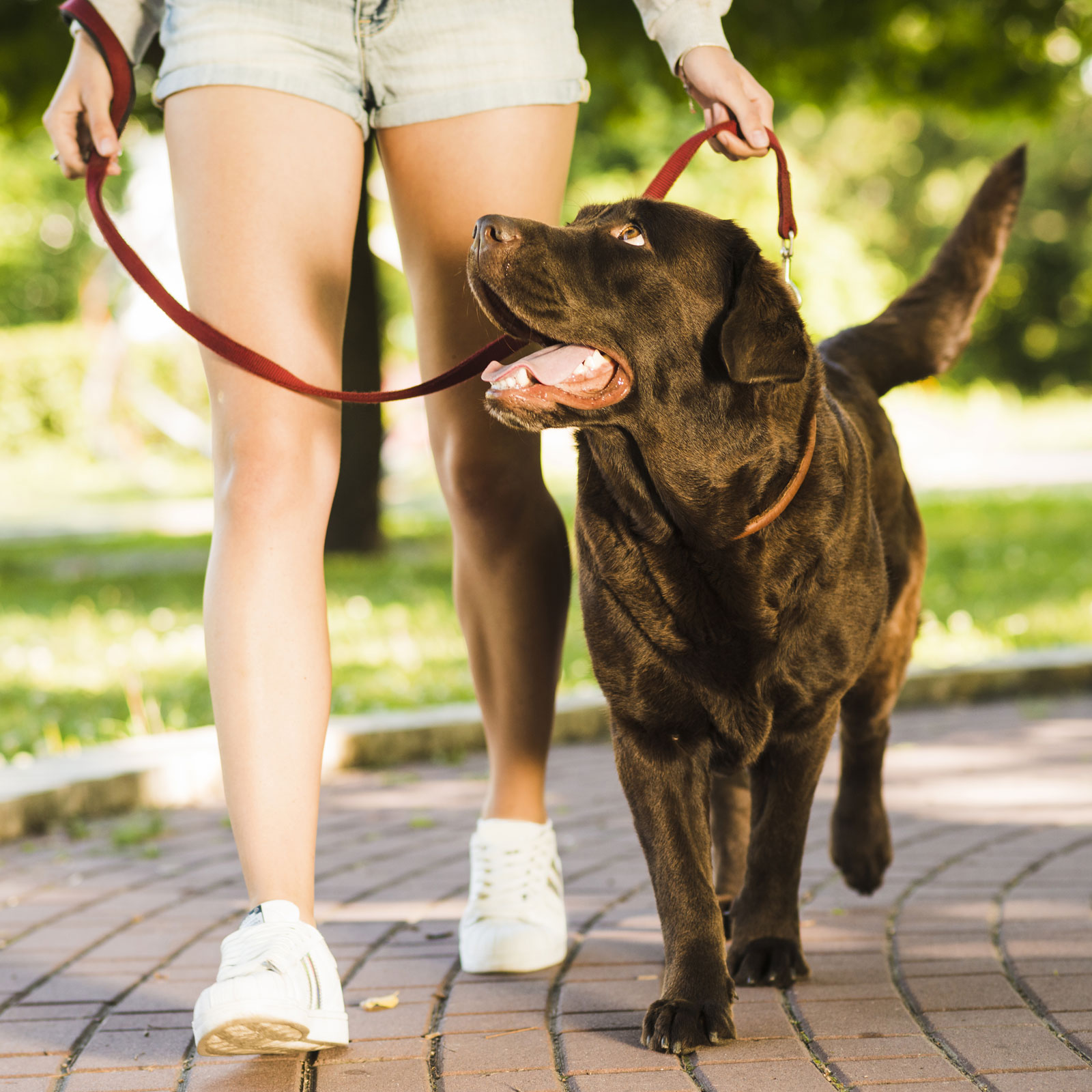
If you opt for a group walk, the dog walker you chose will be able to tell you if your dog is a good fit with their existing group, if not then they will usually try them in another group or have them as a solo (if they offer that service). Many dog walkers cross-refer dog owners to each other, so if the dog walker you have contacted doesn’t have any space or doesn’t provide group/solo walks then it is worth asking if they can recommend anyone.
Here is some additional advice on finding a dog walker:
- Have they been DBS checked (formally known as the Criminal Records Bureau, changed to Disclosure and Barring Service DBS in 2012). DBS checks the criminal history for any unspent convictions for the ‘basic’ search (available to anyone living in the UK and it is available for individuals and employers). The ‘standard’ one (only available to employers on behalf of their employees), checks the criminal history for any cautions, warnings, reprimands, and convictions (both spent and unspent).
- The next thing to check is insurance. Public liability is a minimum and professional dog walking insurance, which can (depending on the company and local council regulations) restrict the number of dogs being taken out in a group and covers any activity associated with dog walking such as transport.
- Cancellation policy: Many dog walkers have this clause in their terms and conditions to ensure that late cancellations, and if they are unable to fill the slot, then they don’t lose income.
- How many dogs are walked in a group (this can have its own limit set either by some councils or by some insurers) and are they kept on lead or let off lead.
- How long is the walk, does it include pick up and drop off or is it from when they arrive at their walk destination?
- Do they have different groups for different abilities/ages
- Do they cater for health issues, arthritis, allergies, and inflammatory bowel disease?
- Do they specialise in certain breeds/nervous/reactive dogs?
- What is their lost dog procedure?
- How are the dogs secured in the vehicle?
- How does the dog walker interact with your dog?
- One of the most important things is do you ‘gel’ with the dog walker?
You may be interested in dog daycare as an alternative to walks if so have a look at our article on Advice on finding dog daycare. Have a look at our ever expanding Directory, to find a dog walker near you.
We found this article by The Dogs Trust on finding a dog walker.