
Players interested in dice games can explore craps gambling in New Zealand to learn about the basic rules, betting options, and common strategies. Understanding the odds and available game formats can help readers make more informed decisions.
Understanding the fundamentals is essential before playing any card game, and blackjack rules for New Zealand players provide a useful starting point. Learning how card values, dealer rules, and basic decisions work can make the game easier to follow.
Choosing an online platform requires attention to game variety, payment methods, and transparent terms. This guide to blackjack sites in New Zealand explores important features to consider when comparing platforms and reviewing blackjack odds.
Finding a suitable platform for dice games starts with understanding the available features and betting formats. Explore the best craps casinos in New Zealand to learn what to look for in game selection, platform security, and clearly explained terms.
Cryptocurrency users may be interested in platforms that support blockchain-based payments and digital assets. This overview of the best Ethereum casinos in New Zealand highlights factors such as transaction policies, supported currencies, and platform transparency.
Craps combines dice rolls with a variety of betting options and probability-based decisions. Learn more about the best craps options for New Zealand players to understand common wagers, payout structures, and the odds associated with different bets.
Welcome offers can vary considerably in value depending on their conditions and wagering requirements. This mathematical guide to first deposit bonus casinos in NZ explains how to compare promotional terms and assess the practical value of introductory offers.
Practising without risking real money can help beginners become familiar with card values and gameplay decisions. Discover free blackjack in New Zealand to learn about demo games, simulators, and ways to practise basic strategies in a no-stakes environment.
European roulette is known for its single-zero wheel, which affects the mathematical odds of many bets. This guide to European roulette in New Zealand covers the wheel layout, common wagers, payout rules, and key considerations when evaluating online games.
Blackjack players can choose between different table formats, rules, and playing environments. Learn more about blackjack tables in New Zealand to understand the differences between land-based and online games, including table limits and rule variations.
Making informed decisions in blackjack starts with understanding probabilities and the impact of each possible move. Explore blackjack strategies for New Zealand players to learn about basic strategy charts, hand decisions, and ways to understand the house edge.
Free spins promotions can offer an opportunity to try selected slot games under specific conditions. This overview of no-deposit free spins in NZ explains common eligibility rules, game restrictions, and wagering requirements to review before accepting an offer.
Demo games provide a way to explore casino-style entertainment without making an initial deposit. Discover free casinos in New Zealand to learn how no-deposit access and practice modes work, while checking the terms and limitations of each platform.
Roulette simulators allow players to become familiar with betting layouts and game mechanics without wagering real money. Explore free roulette play in New Zealand to understand demo modes, random number generation, and the mathematical probabilities behind common bets.
No-deposit promotions can differ in their eligibility criteria, available games, and withdrawal conditions. This guide to bonus free spins in New Zealand outlines the main features to compare when reviewing introductory offers, including expiry dates and wagering requirements.
Why is chocolate toxic for dogs?
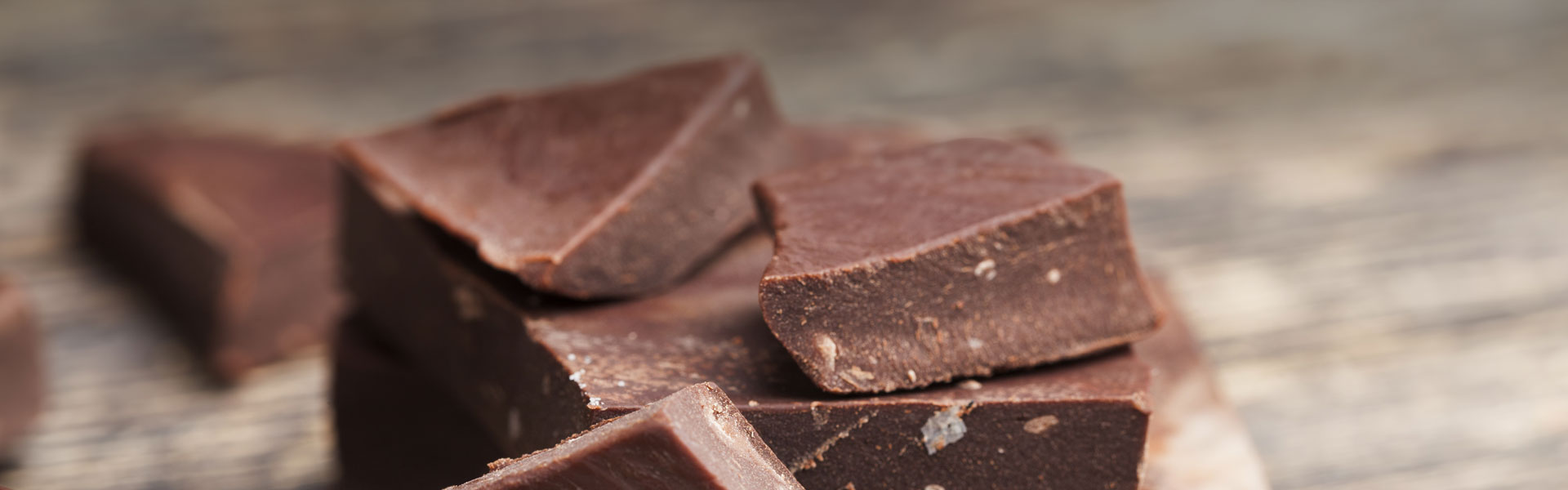
Can a dog eat chocolate? is a question that is frequently asked by many dog owners. We have all heard how dangerous chocolate is for dogs but with so many questions about chocolate toxicity and dogs, we thought we would go into detail about why chocolate is toxic for dogs and share some guidelines that were put together in collaboration between the Animal Poisons Line and the Blue Cross. To start we cover the solid chocolate bars and then we will briefly cover chocolates with fillings as that is a little more complicated.
What causes the toxicity?
So what it is that is in the chocolate that is actually toxic to dogs? It is a chemical known as Theobromine. The theobromine is rapidly absorbed from the digestive tract and it is then recirculated by the liver. This results in the theobromine remaining in the system for up to 36 hours. The actual levels of theobromine toxicity in dogs are dose/weight dependent, so it is very important to always know your dogs’ weight.

How much chocolate is dangerous for dogs?
The following guidelines were produced in the collaboration between the Animal Poisons Line and the Blue Cross. Please bear in mind these are ONLY guidelines.
The calculations can be tricky as every dog is different and you need to know their accurate weight and a good idea of what they have eaten, how much, and when. An incorrect weight calculation could prove to be fatal. You should always contact your vet as they will have your dog’s weight on record and will be able to make the correct calculation and they will be able to advise you on what action to take.
When you contact your vet you will need to tell them the following:
- Type of chocolate
- Quantity
- Content
- Rough time/time period the chocolate was eaten
Dark Chocolate – Call your vet immediately if your dog has eaten any plain dark chocolate (especially those with a high cocoa content) as this has the highest amount of theobromine. Your dog could become ill if it has eaten 3.5g of plain dark chocolate per kilo in body weight. So for example, if your dog weighs 10kg, it would be most at risk if it ate 35g or more of dark chocolate. Check the wrapper to find out the weight of the product, but it is often hard to know how much was left if the chocolate had already been started, so we always recommend contacting your vet.
Milk Chocolate – Seek veterinary attention immediately if your dog has eaten 14g or over per kilo of body weight of solid milk chocolate. If your dog weighs 10kg, then they would likely be at risk if they eat 140g or more of solid milk chocolate. Again you will need to make sure you check the wrapper to see what the product weight is.
White Chocolate – This isn’t a risk to your dog in terms of poisoning because it contains very low levels of theobromine, even so, it is still very fatty and full of sugar, so best to not give it as a treat to your dog.
Chocolate with fillings – This is a really tricky problem to figure out the exact amount of chocolate that has been eaten due to the chocolate fillings. However, the chocolate fillings can also cause problems for dogs, especially nuts and raisins. So if your dog has helped themselves to the selection box then it is best to call your vet and keep the box with you so you can tell the vet what you think they may have eaten.
Cocoa Powder – This is SEVEN times more toxic than dark chocolate. If you think your dog has eaten any then phone your vet or their out-of-hours service straight away as your dog will require immediate veterinary attention.
Signs of Chocolate toxicity:
- Vomiting
- Hyperactivity
- Tremors
- Seizures/fits
- Heart problems
- Death (in severe cases)
We found this article by the Blue Cross about dogs eating chocolate, for further reading.