
Players interested in dice games can explore craps gambling in New Zealand to learn about the basic rules, betting options, and common strategies. Understanding the odds and available game formats can help readers make more informed decisions.
Understanding the fundamentals is essential before playing any card game, and blackjack rules for New Zealand players provide a useful starting point. Learning how card values, dealer rules, and basic decisions work can make the game easier to follow.
Choosing an online platform requires attention to game variety, payment methods, and transparent terms. This guide to blackjack sites in New Zealand explores important features to consider when comparing platforms and reviewing blackjack odds.
Finding a suitable platform for dice games starts with understanding the available features and betting formats. Explore the best craps casinos in New Zealand to learn what to look for in game selection, platform security, and clearly explained terms.
Cryptocurrency users may be interested in platforms that support blockchain-based payments and digital assets. This overview of the best Ethereum casinos in New Zealand highlights factors such as transaction policies, supported currencies, and platform transparency.
Craps combines dice rolls with a variety of betting options and probability-based decisions. Learn more about the best craps options for New Zealand players to understand common wagers, payout structures, and the odds associated with different bets.
Welcome offers can vary considerably in value depending on their conditions and wagering requirements. This mathematical guide to first deposit bonus casinos in NZ explains how to compare promotional terms and assess the practical value of introductory offers.
Practising without risking real money can help beginners become familiar with card values and gameplay decisions. Discover free blackjack in New Zealand to learn about demo games, simulators, and ways to practise basic strategies in a no-stakes environment.
European roulette is known for its single-zero wheel, which affects the mathematical odds of many bets. This guide to European roulette in New Zealand covers the wheel layout, common wagers, payout rules, and key considerations when evaluating online games.
Blackjack players can choose between different table formats, rules, and playing environments. Learn more about blackjack tables in New Zealand to understand the differences between land-based and online games, including table limits and rule variations.
Making informed decisions in blackjack starts with understanding probabilities and the impact of each possible move. Explore blackjack strategies for New Zealand players to learn about basic strategy charts, hand decisions, and ways to understand the house edge.
Free spins promotions can offer an opportunity to try selected slot games under specific conditions. This overview of no-deposit free spins in NZ explains common eligibility rules, game restrictions, and wagering requirements to review before accepting an offer.
Demo games provide a way to explore casino-style entertainment without making an initial deposit. Discover free casinos in New Zealand to learn how no-deposit access and practice modes work, while checking the terms and limitations of each platform.
Roulette simulators allow players to become familiar with betting layouts and game mechanics without wagering real money. Explore free roulette play in New Zealand to understand demo modes, random number generation, and the mathematical probabilities behind common bets.
No-deposit promotions can differ in their eligibility criteria, available games, and withdrawal conditions. This guide to bonus free spins in New Zealand outlines the main features to compare when reviewing introductory offers, including expiry dates and wagering requirements.
Humping behaviour explained
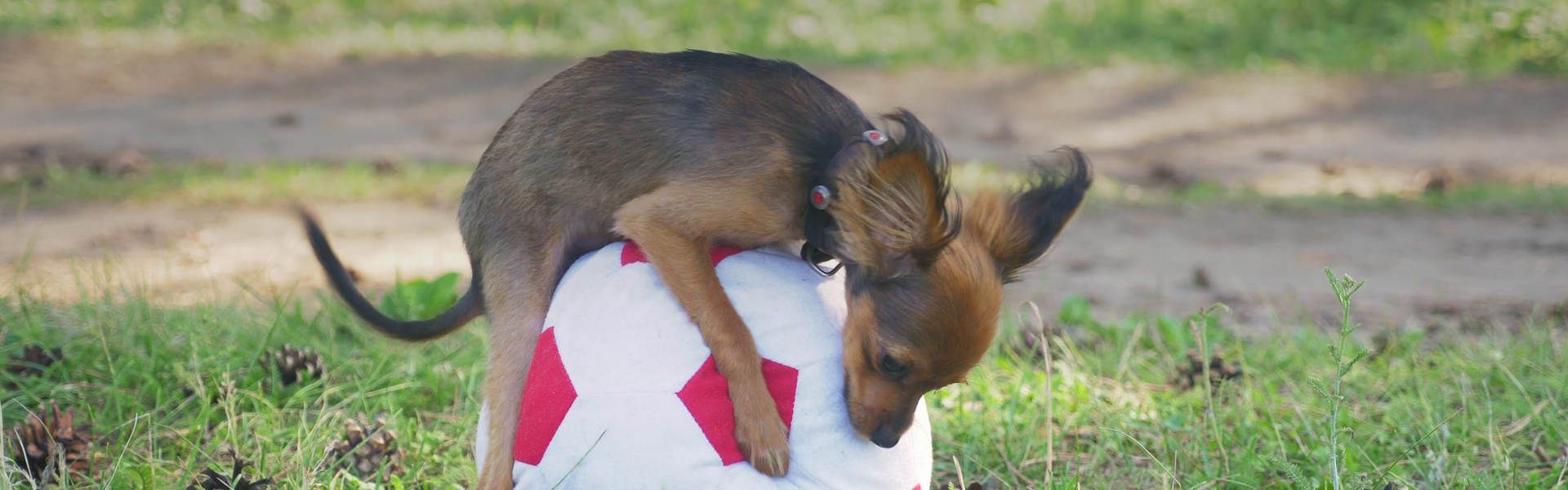
Welcome to our article on Why does my dog hump things? Here we explain what the humping behaviour means and why it happens. Have you ever wondered why your dog humps or to use another word mounts things? The vast majority of dog owners will at some point have come across this behaviour, whether it is when their dog is a pup or adult. A great many years ago this was thought to be about dominance within the pack (family), the pack theory has long since been disproved.
So now that we know it is not about dominance within the family why does the behaviour occur?
There are several reasons:-
- Stress
- Over excitement (also known as over arousal)
- Anxiety
It is a self-soothing behaviour which tends to be why a lot of dogs will do this when they are stressed or over anxious as they don’t know what else to do.
How do you change the behaviour? The simple answer is if it is stress or anxiety then to redirect their behaviour (or another way to look at it is to change the picture), so if they are in a stressful situation or becoming over anxious, you could scatter feed, use a Likki mat or a stuffed Kong. All of which help to promote the self-soothing behaviour of chewing or licking Alternatively remove them from the situation into a more suitable environment – away from too many people or dogs and do a little bit of training, with some easy ‘wins’. Things they already know and can do, will refocus their mind and help them to lower their stress levels.
If it is over excitement and they are a young puppy you can pop them in their sleeping area or crate for a calming time out or a nap (don’t forget puppies need more sleep than you think they do). Over excited behaviour is often a sign that they are over tired (a bit like an over tired toddler).
If they are an older dog then you can always put them behind the dog gate and give them a puzzle toy or Likki mat to distract them and let their energy levels calm down and then bring them back into the room once they are nice and calm. You can teach them ‘place’ or ‘bed’ (also referred to as a boundary) when you have company or they are becoming over excited so they know that, the boundary means calm time.
Always allow the dog to have their own space, where they can go or take themselves off to and be undisturbed, this gives the dog a choice of removing themselves from the over exciting/stressful/anxious situation.
We hope you found our article on Why does my dog hump things? informative and useful, here is an additional link to the PDSA’s article on humping behaviour in dogs for further reading.